Early interest list now open

Practical AI for farming and food businesses.

AI is already changing the way people work, but for many farmers and food businesses it still feels distant, technical, or not meant for them.

We're building something more grounded: practical support, plain-English sessions, and real examples shaped around the jobs that take time, create friction, or leave people staring at a blank page.

No jargon. No hype. No pretending this needs to look like a tech startup to be useful.

Built with the sector Shaped around real farms, food businesses, advisers and industry groups.
Designed for confidence Helping people get started without feeling overwhelmed or left behind.
Focused on useful work Admin, planning, records, notes, data, prompts and practical decision support.
What this is

Built around the work people already do

This is not about replacing people or forcing technology into farming. It is about helping farming and food businesses understand where AI can genuinely save time, reduce admin, improve confidence, and support better decisions.

Farming and food businesses are under more pressure than ever. More paperwork. More reporting. More duplicated admin. More information to make sense of. Still the same number of hours in the day.

Used properly, AI can help with the practical jobs that take up time: building grazing plans, reviewing feed rations, turning lambing shed tally boards into usable records, turning agronomist recommendations into simple action lists, comparing performance against benchmarks, and helping people get started when they are not sure where to begin.

The point is not to tell farmers how to farm. The point is to give people useful tools that support their judgement and free up more time for the parts of the job that matter.

What it is not

Not robots. Not buzzwords. Not a glossy “AI transformation” pitch disconnected from the yard, office, sheds, fields or supply chain.

How we're approaching it

Listening first, testing the water, and building with the industry rather than dropping something on it from the outside.

What we want to hear

Where the admin drags, where confidence gets in the way, and where practical examples would help people see the point quickly.

Who it's for

For the people who keep farming and food moving

Farmers are central, but this is wider than that. It is for the people and organisations working across food production, supply chains, advice, support and rural delivery.

Farm businesses

Farmers, farm managers, family businesses and new entrants who want practical help rather than technical theory.

Food and supply chain teams

Processors, retailers, advisers, consultants and agri-food businesses dealing with heavy admin, reporting and coordination.

Multipliers and organisers

Groups, networks, colleges, societies, membership bodies and industry organisations that could bring the right people together.

Why this matters

Useful examples beat abstract promises

The strongest signal in the project notes is simple: people need to see themselves in it. That means everyday use cases, plain language, and examples that feel recognisable straight away.

Reduce the drag of admin

Notes, records, induction material, summaries, planning drafts and repetitive office work are often where the first wins show up.

Make better use of existing information

Many businesses are already collecting data. The challenge is turning it into something more useful, clearer and easier to act on.

Build confidence through doing

People do not need hype. They need to see what good looks like, ask better questions, and leave feeling capable of trying it themselves.

Less time fighting admin. More time for animals, crops, people, businesses and the environment.

The collaboration

Three different strengths, working in the same direction

This is being built by people who understand farming, food systems, behaviour change and practical AI adoption. That mix is the point.

Scott Quilter

Scott Quilter

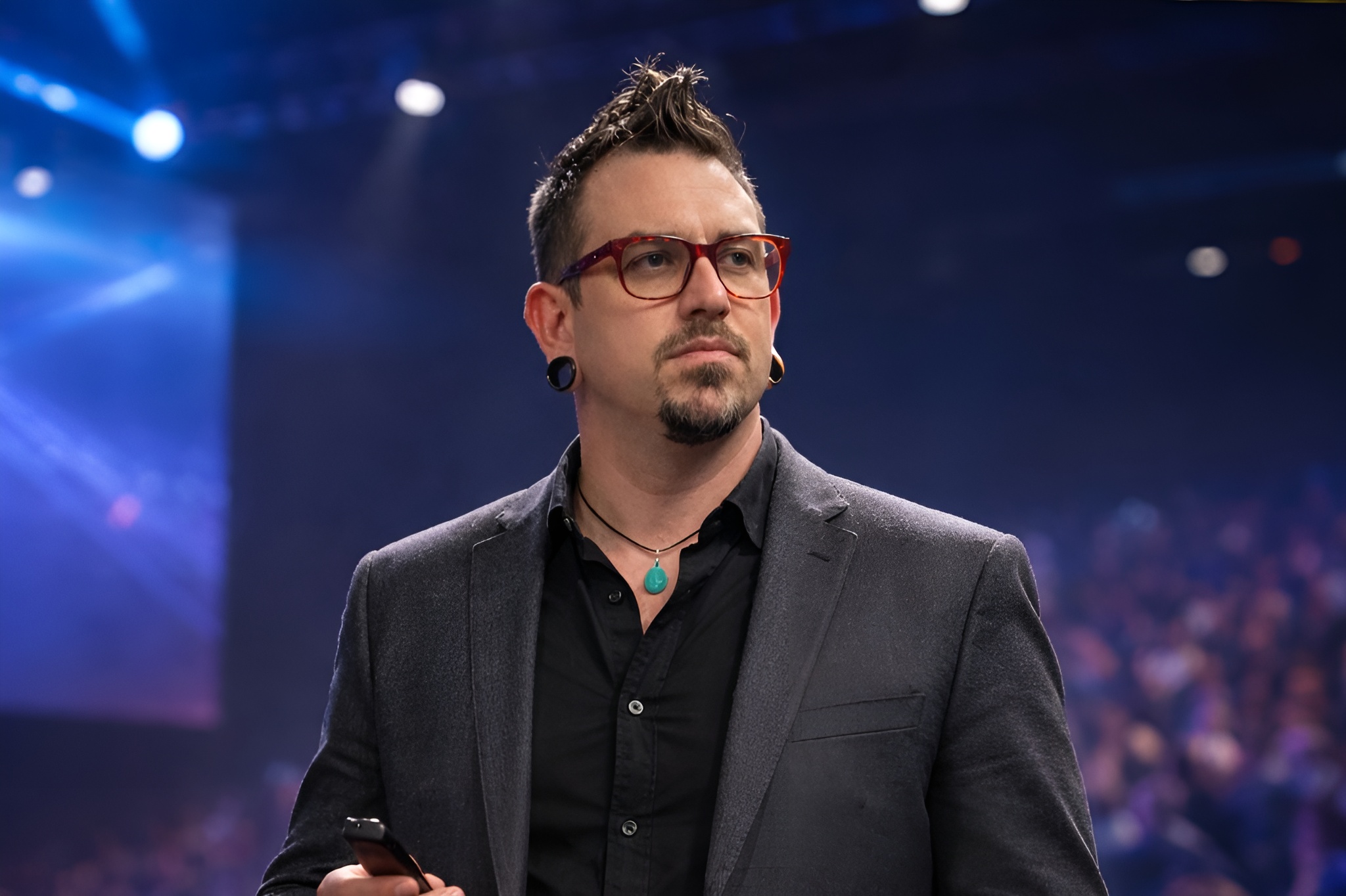
Techosaurus · AI & digital

Scott makes AI and digital tools accessible, practical and human. His strength is helping people understand what is possible without burying them in jargon.

He focuses on confidence, clarity and real-world application rather than theory for theory's sake.

Amy Hughes

Amy Hughes

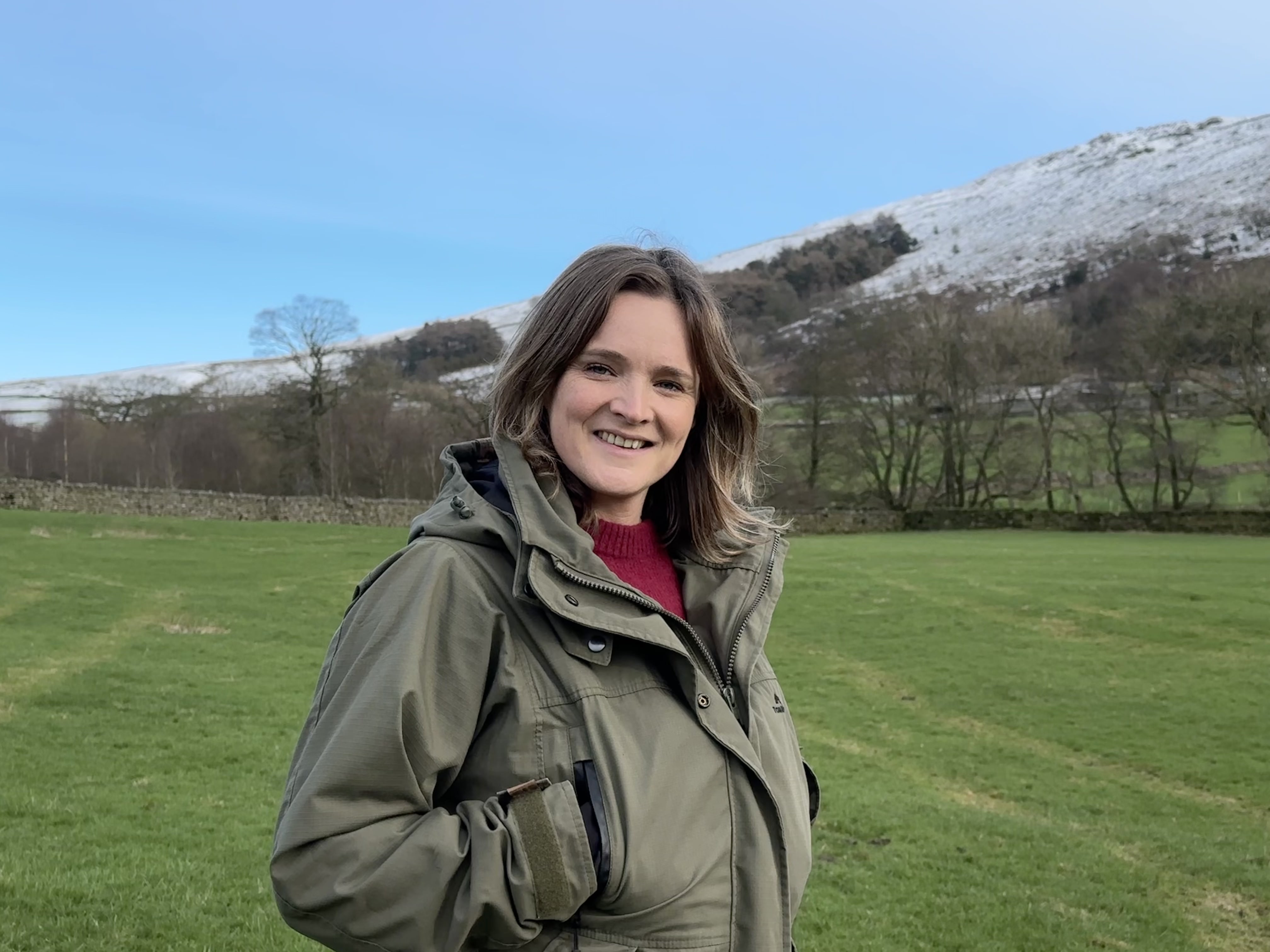
EmpowerAg · farming people

Amy brings deep knowledge of farming people, communication, informal learning and behaviour change, grounded in lived sector experience.

She understands the confidence barriers that shape whether new ideas land well or get ignored.

Chris Manley

Chris Manley

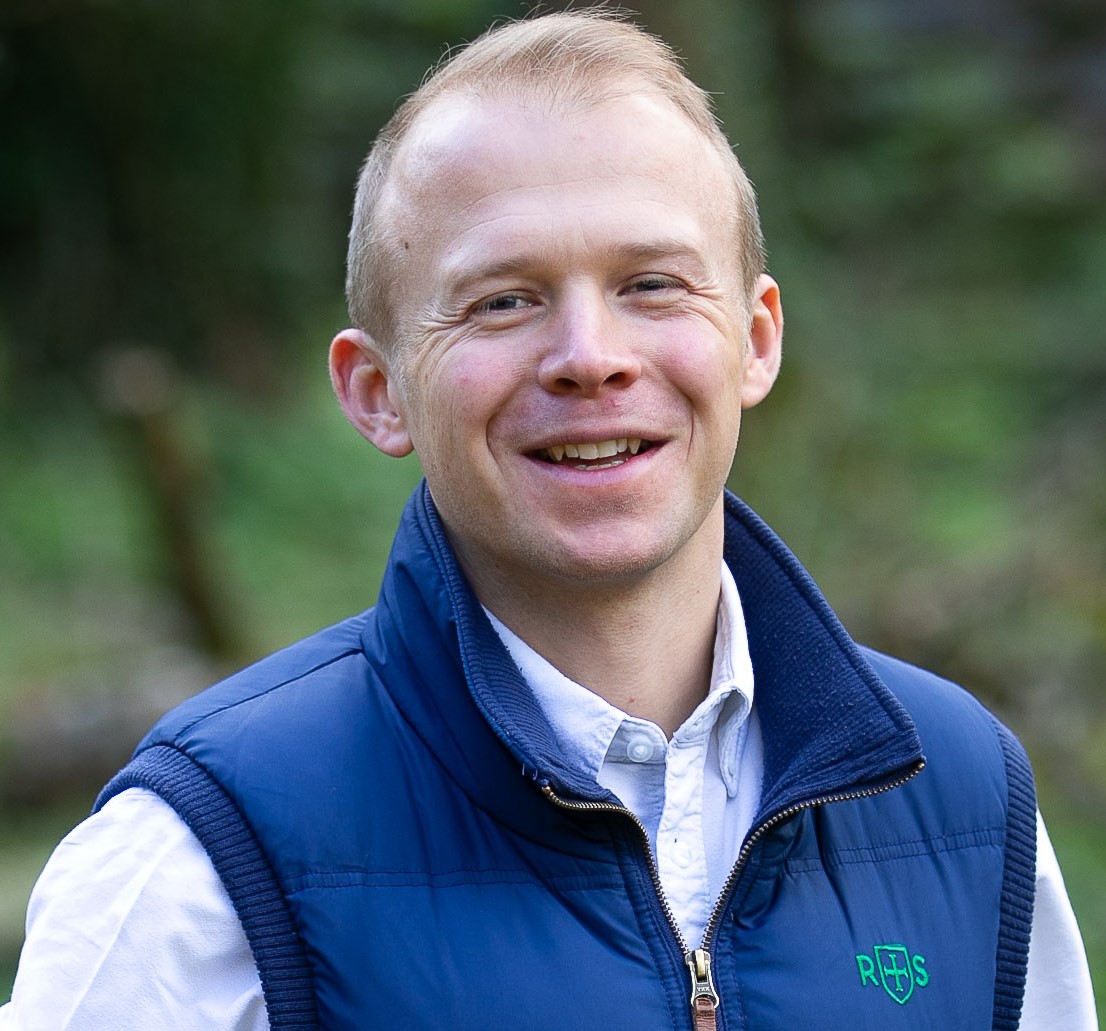
Traction · food & supply chains

Chris understands food, farming, supply chains and how to turn good ideas into live, workable projects across the sector.

He helps connect the collaboration to commercial routes, relationships and the wider agri-food system.

What happens next

We're testing the water properly

The early goal is to build enough signal, interest and feedback to shape the first pilots, workshops, sessions and sector examples well.

1. Hear from the right people

Find out who is interested, which parts of the sector they represent, and what problems feel most worth solving first.

2. Shape practical first offers

Use the interest and feedback to define what the first sessions, pilots and examples should actually look like.

3. Build momentum through relevance

Start with things that feel familiar and useful enough that people can see the value quickly and tell others.

Register interest

Tell us where you fit and what would help

Keep it short. The aim is simply to understand who you are, what part of the sector you are in, and whether you are interested for yourself, your business, or a wider group.

No matching sectors found.

Select at least one.

No matching counties found.